
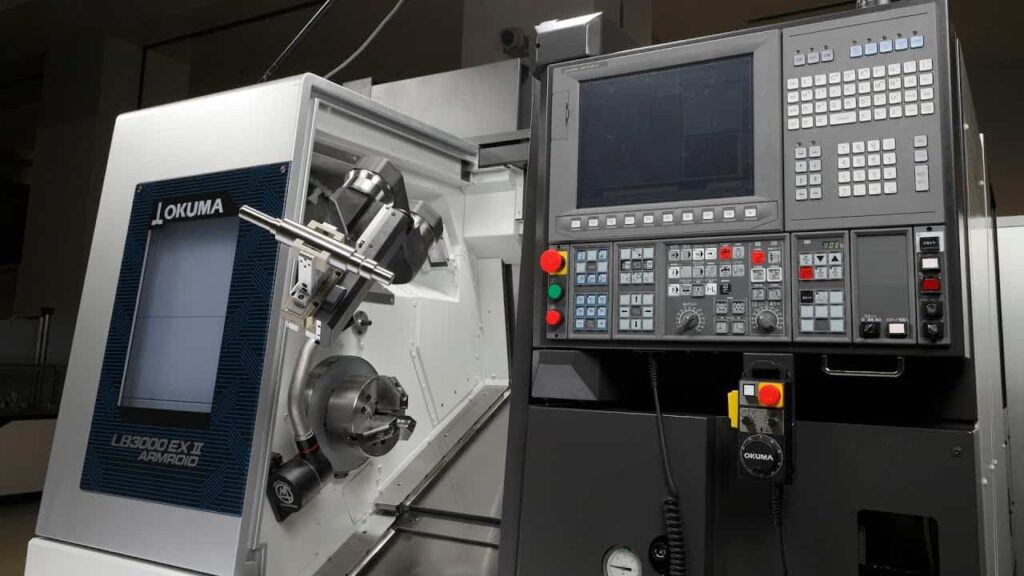
Modernizing older mills and lathes is often a smarter path than replacing them outright—especially when the iron is solid and the ways are true. The right retrofit can unlock better throughput, reliability, and data visibility at a fraction of the cost of a new machine. This guide walks through a practical cost-benefit analysis of CNC retrofits, HMI upgrades, and I/O modernization so you can decide when to upgrade and when to buy new.
Understand the Cost Drivers in Machine Tool Upgrades
Before you compare options, clarify what’s driving the decision. The economics of retrofitting hinge on the condition of the base machine, production goals, and the availability of parts and service.
Machine Condition and Accuracy
If the casting, spindle, ballscrews, and ways are in good shape—and your machine still holds tolerance—electronics are often the weakest link. In these cases, a control, drive, and I/O refresh can restore uptime and performance without the cost of a new chassis.
Part Mix and Tolerance Requirements
High-mix, complex parts benefit from modern conversational programming, probing cycles, and faster tool change logic. If you’re chasing tighter tolerances, consider whether mechanical rebuilds (scraping, spindle cartridges, backlash correction) must accompany an electronics upgrade to meet spec.
Obsolescence and Serviceability
A control that’s out of support, or drives with scarce spares, push you toward retrofit or replacement. Factor in vendor support windows, access to documentation, and the availability of field service.
Compare the Paths: CNC Retrofit, HMI Upgrade, I/O Modernization, or New
Not every machine needs a full electronics suite. Match the scope of work to the problems you’re solving.
CNC Retrofit: The Core Upgrade
A full CNC retrofit replaces the control and typically the servo/drive package and feedback devices. It addresses reliability, programmability, and connectivity in one pass.
Retrofitting with Fanuc controls can extend machine life while adding modern diagnostics and connectivity.
What a CNC retrofit usually includes:
- New CNC control, motion hardware, and drives integrated with existing mechanics
- Updated encoders/feedback, safety circuits, and fieldbus I/O
- Probing, macros, and connectivity (Ethernet, MTConnect, OPC UA)
Typical cost ranges vary by machine size, axis count, and options, but many shops land between the low five figures and low six figures for mills and lathes. Downtime often spans one to three weeks, depending on scope and onsite testing.
Where it pays: When the iron is sound, uptime is suffering from electronics failures, and you need modern programming, data access, and alarms that speed troubleshooting.
HMI Upgrade: Operator Interface Refresh
If your control is functional but operators struggle with visibility and workflow, an HMI upgrade can deliver quick wins. This may involve a new pendant, touchscreen, soft keys, conversational cycles, and clearer alarm messaging. The impact shows up in faster setups, fewer keystroke errors, and shorter training time. It’s also a stepping stone toward a full retrofit by standardizing operator experience across mixed vintages.
I/O and Drive Modernization: Reliability and Safety
Swapping aging I/O racks, PLCs, and servo drives for current models stabilizes the signal chain and improves diagnostics. You’ll gain better motion control, safer E-stop and interlock handling, and standardized spares. Consider fieldbus options that simplify wiring, reduce noise susceptibility, and make troubleshooting faster.
Build a Simple Cost Model
Establish the Baseline
Document current cycle times, scrap/rework rates, unplanned downtime hours, annual maintenance and parts spend, and energy consumption. Quantify operator time lost to clunky interfaces or alarm hunts.
Estimate the Gains
Be conservative. Look for incremental improvements in:
- Uptime: fewer control faults and faster recovery through better alarms and remote support
- Throughput: faster block processing, smoother motion, probing-driven setup reductions
- Quality: improved feedback and control loops, better repeatability, fewer manual interventions
Example Payback Snapshot
Consider a 3-axis VMC producing 2,000 spindle hours per year with \$150/hour loaded value (machine time plus labor and overhead). Current unplanned downtime is 8% and scrap runs 3%.
Retrofit scope: control, drives, feedback, probing, Ethernet; cost \$95,000 total (hardware, integration, training), two weeks planned downtime.
Expected gains: 3% availability improvement, 1% cycle time reduction from better motion and probing, 1% scrap reduction, \$8,000/year less in maintenance parts.
Annual impact:
Availability: 2,000 hours × 3% = 60 hours recovered → 60 × \$150 = \$9,000
Cycle time: effective output gain ≈ 1% → 20 hours → \$3,000
Scrap reduction: 1% of output value; if annual value is \$300,000, that’s ≈ \$3,000
Maintenance savings: \$8,000
Estimated annual benefit ≈ \$23,000. Payback ≈ \$95,000 / \$23,000 ≈ 4.1 years. If your gains are higher—common when reliability is poor—payback compresses to 18–30 months.

Hidden Costs and Practical Risks to Plan For
- Downtime Variability: Legacy wiring surprises, undocumented ladder logic, or custom macros can stretch schedules. Build contingency time and parallel work where possible.
- Training and Change Management: New screens and workflows require operator and programmer time. Create short job aids and standard programs to speed adoption.
- Fixture/Probe Integration: Probing pays off only if programs and fixtures are updated to use it. Plan a focused NPI-style effort on your top part families.
When Buying New Is the Better Call
- Mechanical Wear Beyond Economical Repair: If ways, spindles, or castings won’t hold tolerance without a rebuild that rivals new-machine cost, don’t chase electronics.
- Step-Change Capability: If you need more axes, a much larger work envelope, higher spindle speed, or automation that the frame can’t support, new makes sense.
- Compliance and Safety Constraints: Some legacy machines can’t meet guarding or functional safety requirements without extensive re-engineering.
HMI and I/O Upgrades as Staged Investments
Start with HMI for Fast Operator Wins
Replace dim CRTs with industrial touchscreens, simplify soft keys, and standardize cycles. Add clear alarm help texts and on-screen work instructions. These updates reduce keystrokes, cut setup time, and speed training—often within days of go-live.
Update I/O and Drives for Stability
Move to current servo drives and encoders with better diagnostics and documented parameters. Modern I/O over fieldbus reduces wiring issues and makes faults easier to trace. These steps alone can cut nuisance downtime and set the stage for a later control swap.
Connectivity and Data: Don’t Leave Value on the Table
Whether you retrofit now or later, plan for Ethernet connectivity, standard protocols (MTConnect, OPC UA), and log collection. With basic machine data, you can target the worst downtime culprits, verify improvements after upgrades, and support remote troubleshooting. This is where diagnostics pay back every week, not just once at commissioning.
Implementation Roadmap
Scope and Specification
Freeze the must-haves: axes, spindles, tool changer logic, probes, safety, and data interfaces. Lock in the part families you’ll validate during runoff.
Vendor Selection and Mock-Up
Choose an integrator with your machine model and control lineage on their résumé. Ask for a wiring strategy, sample ladder logic, HMI screenshots, and a runoff plan before you cut a PO.
Commissioning and Runoff
Plan a clean factory acceptance sequence: homing, axis travel, tool change, probing cycles, alarms, and the top three part programs. Capture before/after cycle times and a week of alarms to confirm the improvement is real.
Bottom Line
If your iron is healthy, a CNC retrofit or targeted HMI/I/O modernization can reclaim uptime, sharpen workflows, and plug your machine into today’s data-driven maintenance. New machines still have their place—especially for added axes, bigger work envelopes, and mechanical limits you can’t fix with electronics—but many shops leave significant value on the floor by postponing pragmatic upgrades.